
4.2 — Layers of responsibility: from policy to daily life
People who make soil visible
Page 3 / 5
Communities and grassroots action
At local level, soil engagement often appears through community gardening, neighbourhood greening, restoration activities, composting, citizen science, local advocacy, and grassroots campaigns.
These actions rarely transform systems alone. However, they can contribute to changes in awareness, social norms, and collective expectations. They can also make soil visible in daily environments, especially in urban areas where soil is often hidden, sealed, replaced, or treated as background.
Grassroots initiatives are bottom-up and often informal forms of engagement. They may be driven by citizens, youth networks, local communities, or professional groups working outside formal institutions. Their activities may include ecological restoration, community mobilisation, creative communication, or alternative land-use practices.
One example is RE-PEAT, a youth-led initiative that connects peatland restoration with cultural renewal and societal reflection. RE-PEAT shows how soil-related action can emerge through civic imagination, identity, and collective engagement.
Urban gardening initiatives, allotment networks, and community green spaces also reconnect soil with everyday urban experience. Transforming vacant lots, rooftops, or shared areas into spaces that include soil or growing substrates can support vegetation, food production, water regulation, biodiversity, and social connection. In highly built environments, these initiatives can help people recognise where soil has been degraded, sealed, replaced, or restored.
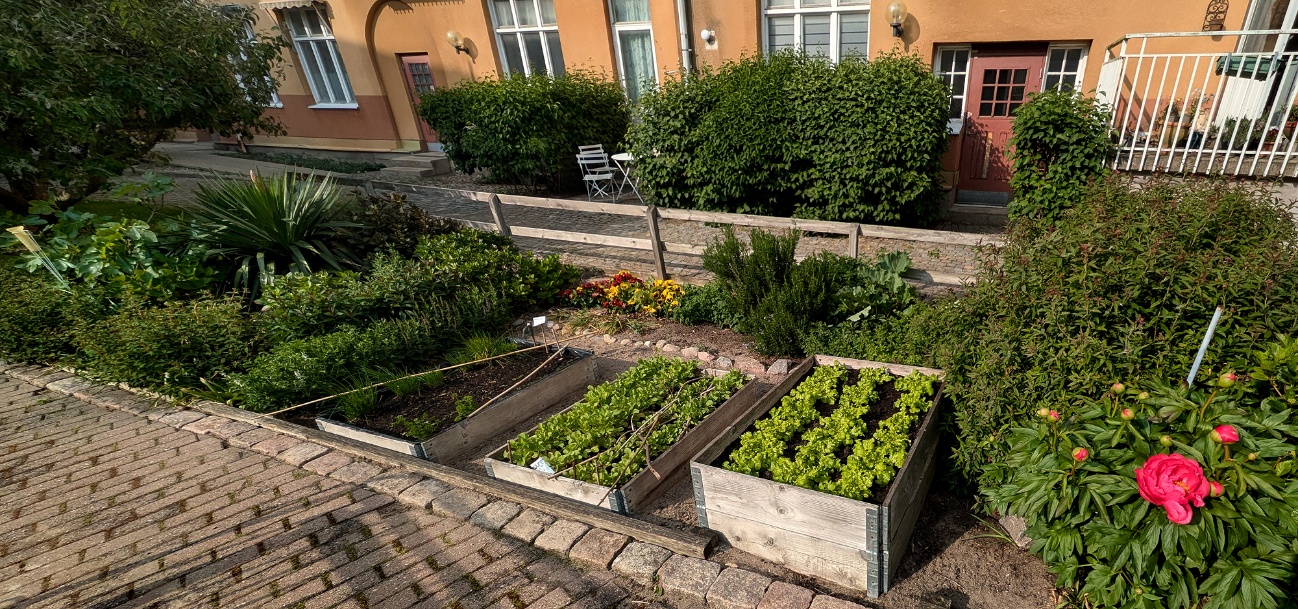
© Urban garden by Jonn Leffmann, CC BY 4.0, via Wikimedia Commons, no changes were made to the original photo.