3.1 — Soil organic matter decline
Why does soil organic matter matter?
Page 3 / 4
The soil carbon balance
Soil organic matter (SOM) consists largely of carbon, referred to as soil organic carbon (SOC). Because carbon forms a substantial share of SOM and can be measured more reliably, SOC is commonly used in soil science as an indicator of organic matter levels. SOC also plays an important role in the global carbon cycle: on a global scale, the top 30 cm of soil contain more carbon than the atmosphere and vegetation combined.
Carbon enters soils mainly through plant growth. Through photosynthesis, plants absorb carbon dioxide from the atmosphere and convert it into organic compounds that form leaves, stems, and roots. When plant residues or roots enter the soil, this carbon becomes part of the soil system.
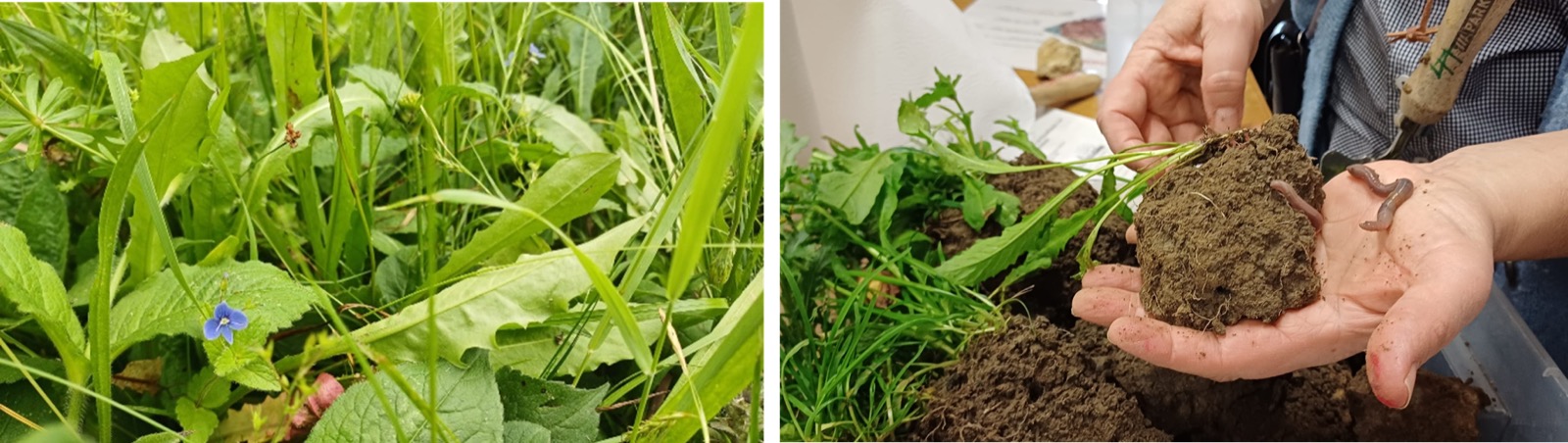
Soil organisms then transform these materials. Microbes and soil animals break down organic matter and use part of it as energy. During this process, some carbon returns to the atmosphere as carbon dioxide. In environments where oxygen is limited, such as wetlands, part of the carbon may also be released as methane.
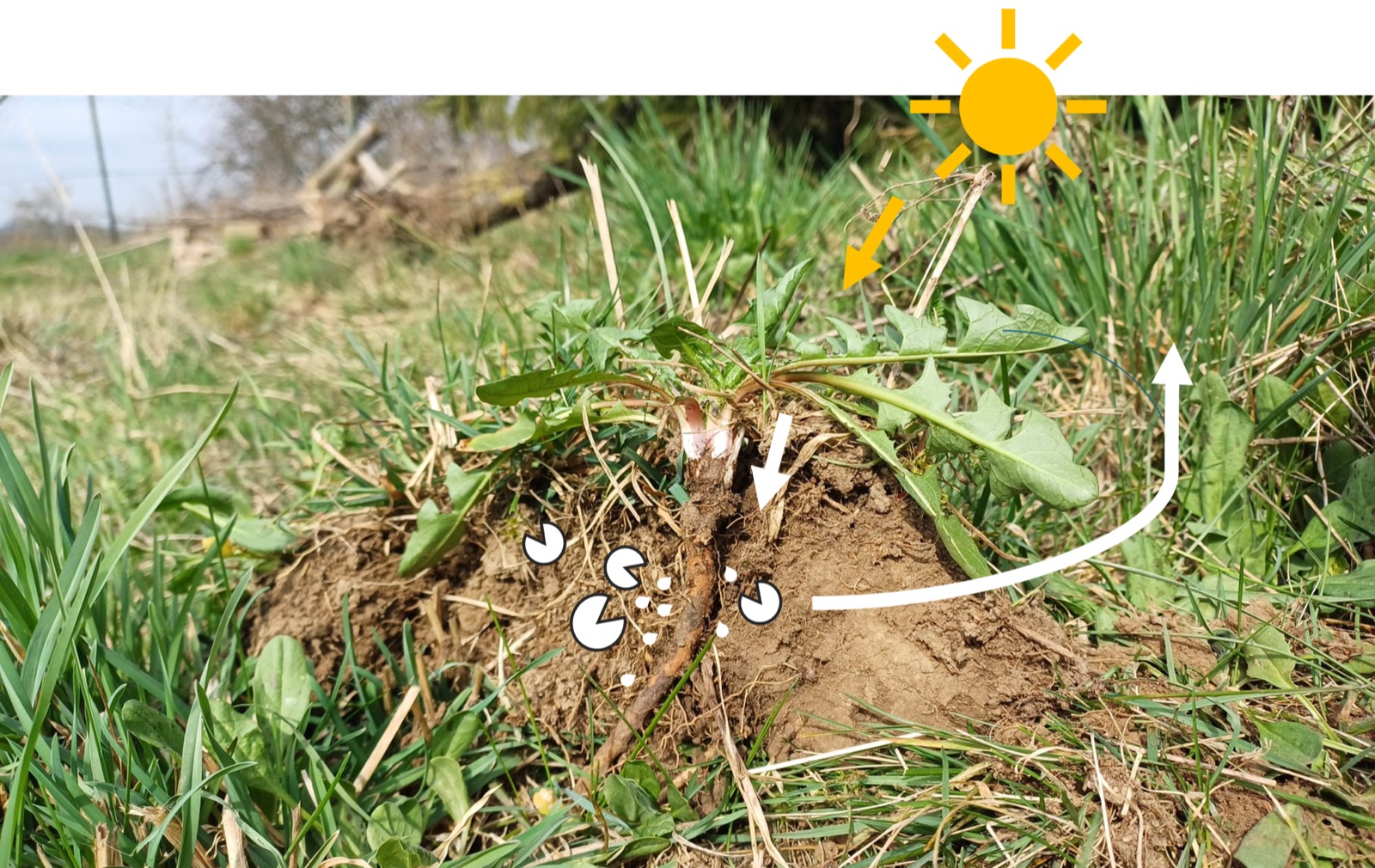
However, not all carbon is lost. A portion becomes stabilized in the soil for decades to centuries and sometimes even longer. Much of this relatively stable carbon originates from microbial residues — the remains of dead microorganisms that bind to mineral surfaces or become protected within soil aggregates. This ongoing cycle of plant inputs, microbial transformation, and stabilization makes soils one of the largest carbon sinks on Earth.
Optional: For more details on SOC dynamics and storage mechanisms, see the comprehensive review by Basile-Doelsch et al. (2020).