Topic 2.2 — Soil components & DIY soil testing
Soil may look simple, but what is it really made of?
A handful of soil is a complex and dynamic system. Soils are defined as a three-phase system consisting of solid, liquid, and gaseous phases. The solid phase comprises mineral and organic particles, the liquid phase is water containing dissolved substances, and the gaseous phase is soil air.
Minerals and organic matter form the framework of soils. Minerals originate from base rocks. Organic substances come from living or once-living organisms and include plant residues, (micro)organisms, and soil organic matter — the dark-coloured material in upper layers formed when plant and animal remains decompose.
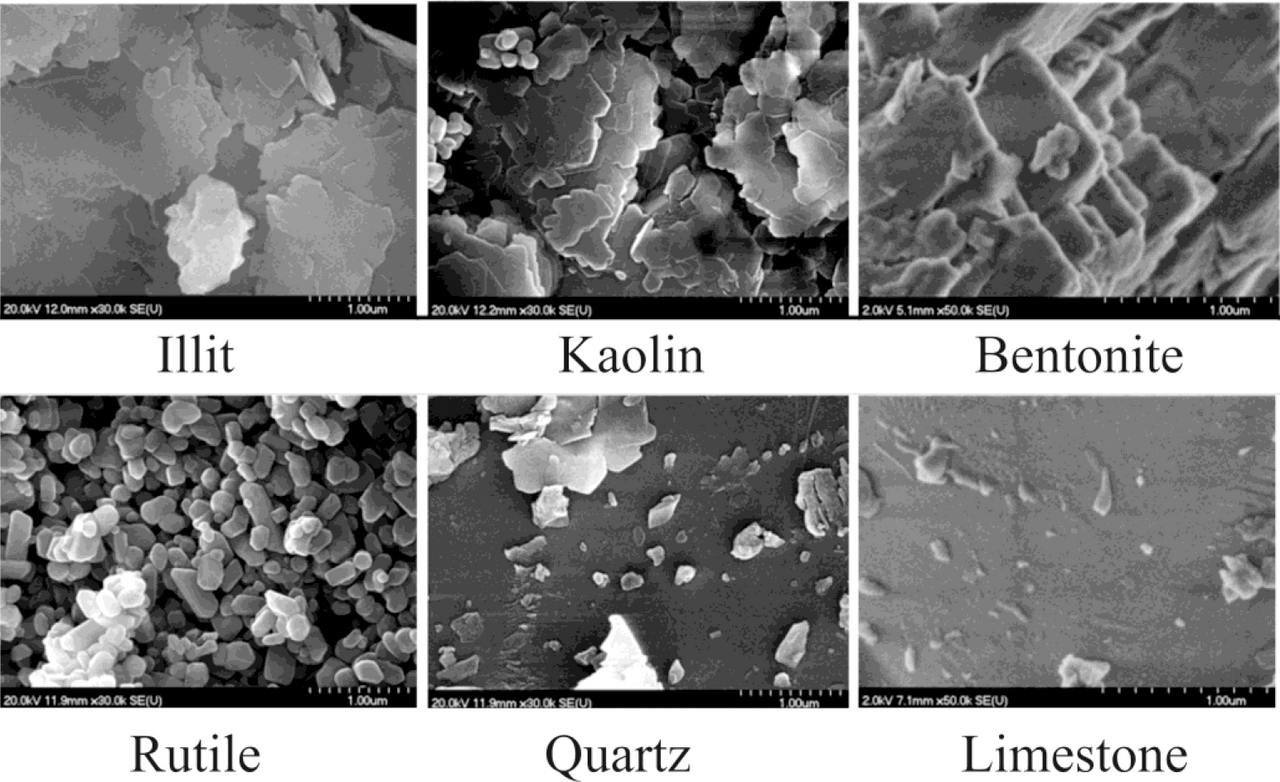
Some minerals formed long ago during rock formation, such as quartz, feldspars, or mica. Others form later through weathering, the gradual breakdown by rain, salt, root activity, animal movements, and temperature changes. Very small particles, including clay minerals and iron or aluminium oxides, strongly influence how soil retains water and nutrients.