
2.2 — Soil components & DIY soil testing
DIY Soil Testing Lab
Pagina 3 / 5
What does soil health mean in soil science?
In recent years, the concept of soil health has become increasingly important in science, agriculture, and environmental policy. Soil health is often defined as the capacity of soil to function as a living system within ecosystem and land-use boundaries, sustaining plant and animal productivity, maintaining or enhancing water and air quality, and promoting plant and animal health. Healthy soil typically supports diverse biological communities, recycles essential nutrients, stabilises its structure, regulates water flow, and contributes to resilient ecosystems. In this sense, soil health links measurable properties with the ecosystem services that soils provide.
At the same time, it is essential to approach the concept critically. What is considered “healthy” is always context dependent. Soils differ naturally according to climate, vegetation, parent material, and land-use history. A sandy soil in a dry environment will behave very differently from a clay-rich soil in a humid region, and neither is automatically better or worse. Each soil functions within its own natural boundaries, making simple comparisons across regions difficult.
Discussions about soil health often lead to lively debates among scientists and land managers. Why and what do we test? Which parameters matter most? How should results be interpreted? Healthy for what purpose? The answers depend on the research question, management goals, and environmental conditions. While this course cannot resolve these debates, it aims to make you aware of them and to encourage careful interpretation rather than quick conclusions.
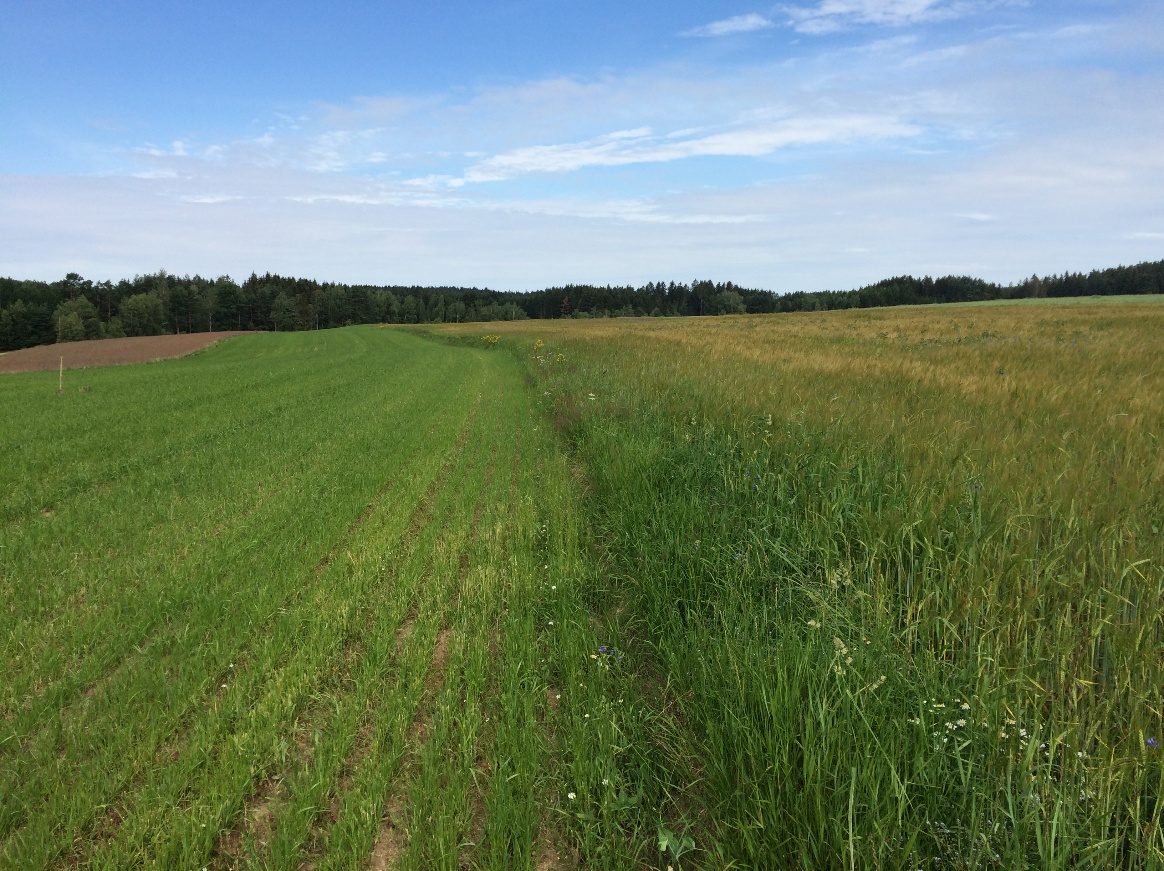
© Arable fields in Austria by Orracha Sae-Tun
One practical way to reduce complexity is to compare soils that are located close to each other and share similar environmental conditions. For example, if you want to explore whether a specific agricultural management practice affects soil structure or organic matter, you might compare two neighbouring fields that are managed differently. In this case, observed differences are more likely to reflect management rather than inherent soil formation processes.