1.6 Soils in a connected world
Synthesis: The case of peat
Page 4 / 8
The supporting services of peatlands
Peatlands include a variety of ecosystems, such as bogs, fens, and peat swamp forests, each with distinct environmental conditions and biological communities. While some peatlands receive nutrient-rich groundwater and support relatively diverse plant communities (fens), others are nutrient-poor and acidic (bogs). Together, these ecosystems provide important habitats for many specialized plants, animals, and microorganisms.
Among peatland types, bogs are particularly distinctive. Because they are fed primarily by rainfall rather than groundwater, they contain few nutrients and are often highly acidic. These conditions create a challenging environment for life and limit the number of species that can survive. However, the species that do persist are often highly specialized and occupy ecological niches that are rarely found elsewhere.
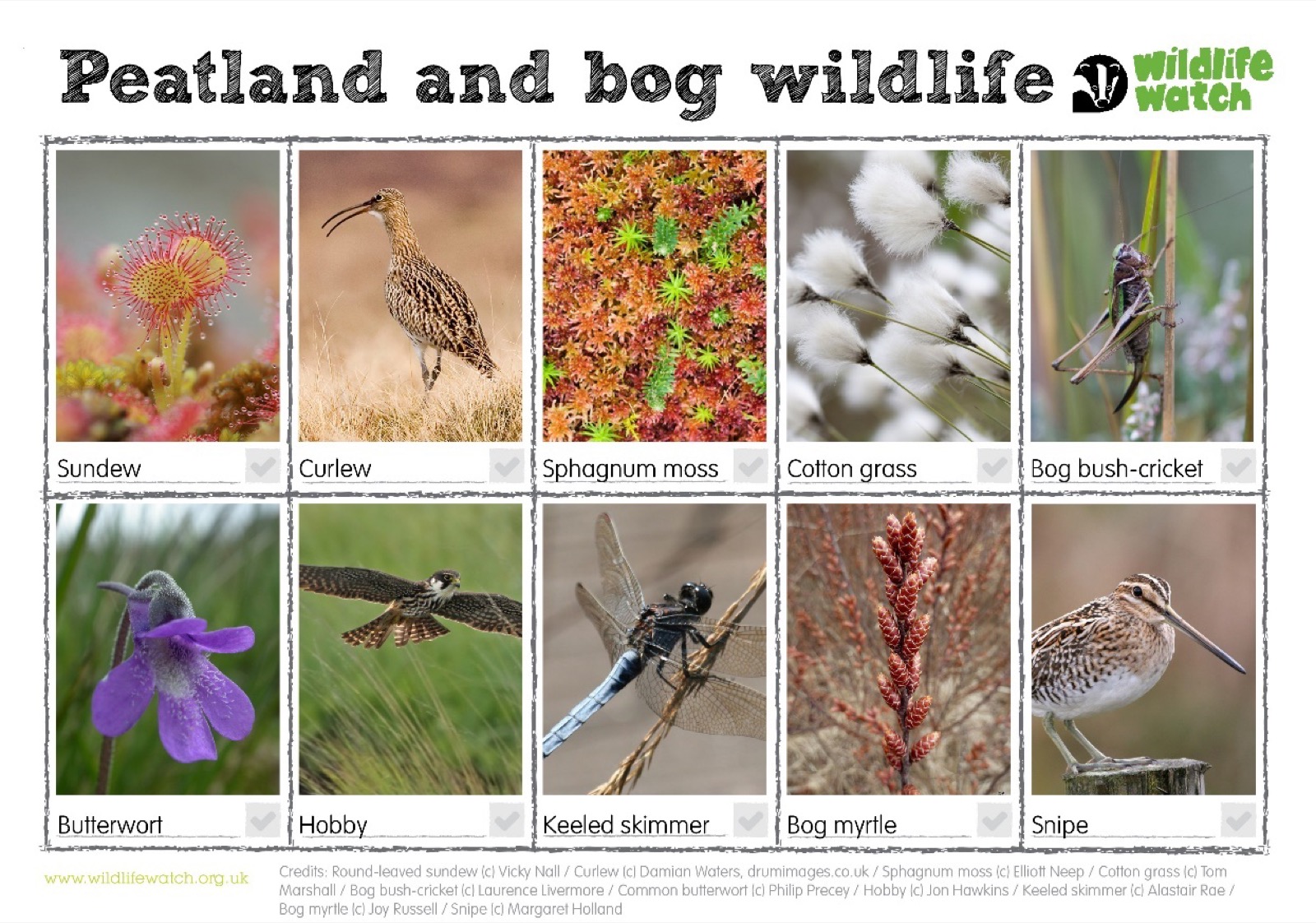
As a result, bogs support specialized communities of plants, microorganisms, birds, mammals, and invertebrates. Some species, such as carnivorous plants and rare orchids, have evolved strategies to obtain nutrients in environments where they are scarce. Microorganisms are equally important, as they drive decomposition and nutrient cycling under waterlogged conditions. Together, these organisms contribute to the ecological distinctiveness of bog ecosystems.
Beyond their biological value, bogs provide insight into how species adapt to environmental stress and how ecosystems develop over long periods of time. Many bogs have remained relatively undisturbed for thousands of years, preserving ecological communities and processes that have disappeared elsewhere. Protecting these habitats therefore helps conserve not only unique species, but also the natural processes that maintain biodiversity and ecosystem resilience.